Tanzania Safari Specialists

Great Migration Safaris in Tanzania

The World’s Greatest Wildlife Spectacle!

Witness Nature’s Greatest Movement

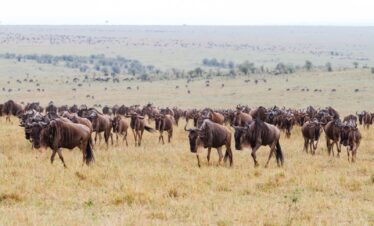
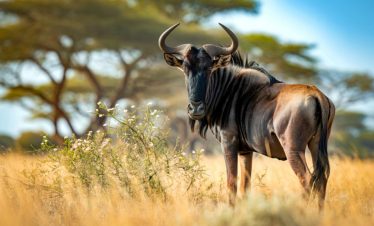
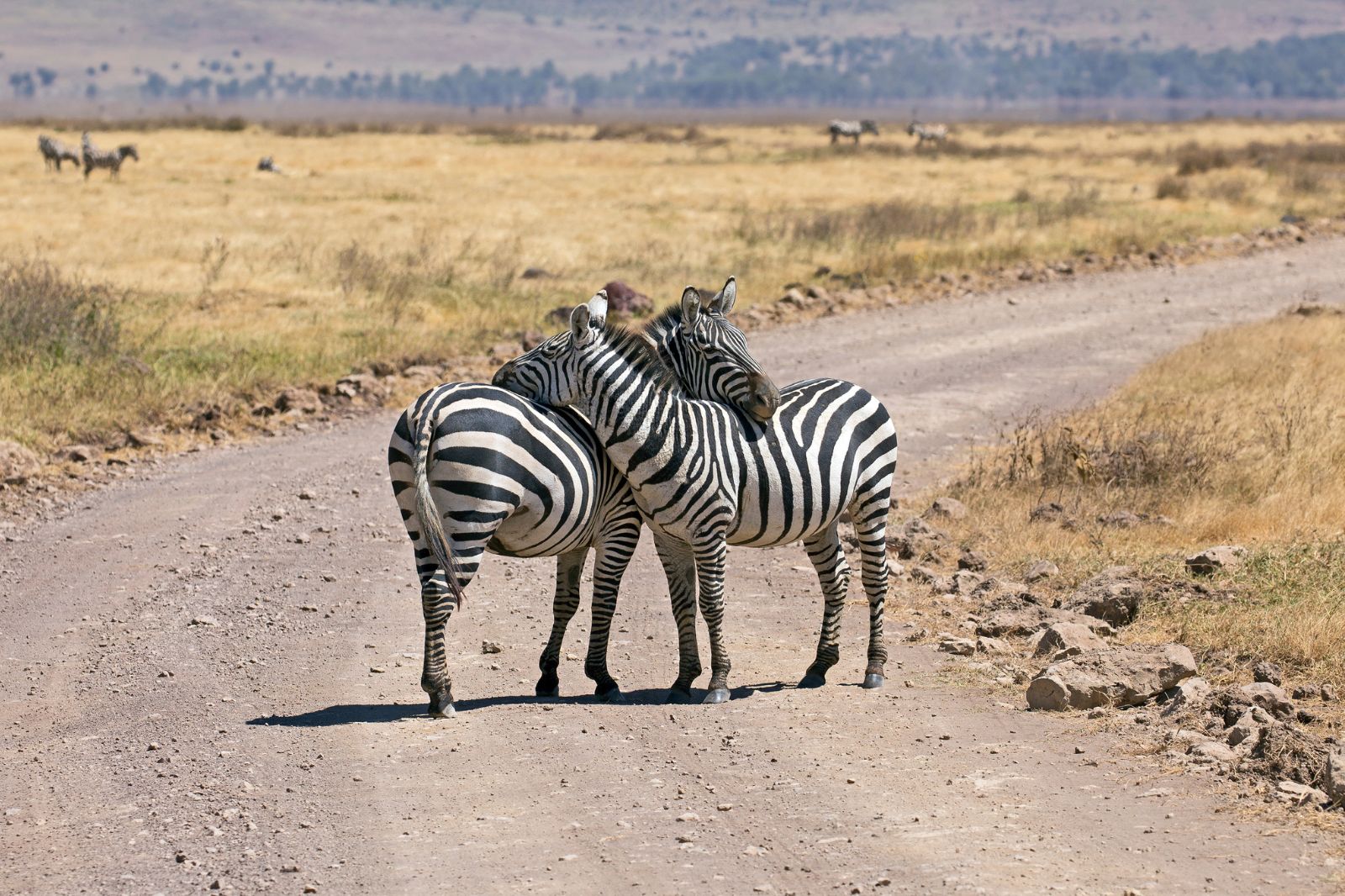
The Great Migration is one of the most remarkable wildlife movements on earth. Each year, millions of wildebeest, zebra, and gazelle move across the Serengeti ecosystem in search of fresh grazing, guided by rainfall and natural cycles rather than fixed routes or dates.

A Great Migration safari is not about chasing a single moment. It is about understanding movement, timing, and place. When planned correctly, it offers depth, scale, and continuity that few wildlife experiences can match.

At Wild Riders Expeditions, Great Migration safaris are designed with realism, patience, and on ground knowledge. Our role is to position you within the ecosystem at the right time, allowing the experience to unfold naturally.

Great Migration Safari Itineraries

The itineraries below illustrate how a Great Migration safari can be structured across different times of the year. Each itinerary is privately guided and designed around seasonal wildlife movement rather than fixed expectations.

These itineraries serve as starting points. Final routing, accommodation, and timing are refined based on travel dates, rainfall patterns, and guest preferences to ensure the most balanced and rewarding experience possible.

Duration 3 Days
Activity 3 Activities
$1197

What The Great Migration Really Is

The Great Migration is a continuous cycle rather than a single event. Wildlife moves throughout the year across a vast ecosystem that includes southern plains, central corridors, and northern river systems. Rainfall patterns determine where fresh grass grows, and the herds follow this natural rhythm.

Because of this, the migration looks different depending on the time of year. At some stages it is defined by calving and predator activity, while at others it is shaped by long distance movement or dramatic river crossings. Understanding this cycle is essential to planning a meaningful migration safari.

A well-planned migration safari focuses on being in the right area at the right time rather than attempting to predict exact moments.

Why Tanzania Is Central To The Great Migration

The Serengeti ecosystem forms the foundation of the Great Migration. The majority of the migration takes place within Tanzania, across vast protected areas that allow wildlife to move freely without artificial barriers.

Southern Serengeti supports calving season, central Serengeti acts as a year-round wildlife corridor, and northern Serengeti provides access to major river systems during certain months. This ecological continuity is what makes Tanzania the core destination for experiencing the migration in its full context rather than as a brief highlight.

Tanzania offers scale, access, and diversity of landscapes that allow migration safaris to be planned with depth and flexibility.

Migration Seasons And Where To Be

Migration safaris are planned around seasonal phases rather than calendar dates.

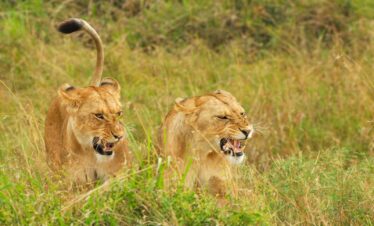
From January to March, the southern Serengeti becomes the focus as vast herds gather on open plains for calving. This period offers high wildlife density and strong predator activity.

From April to June, herds begin moving westward through central Serengeti, creating long lines of movement across the plains. Wildlife viewing during this period is less concentrated but offers a strong sense of scale and continuity.

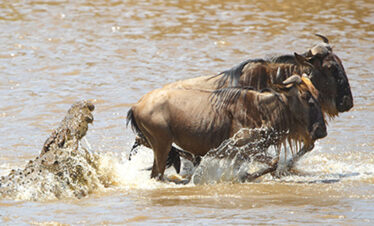
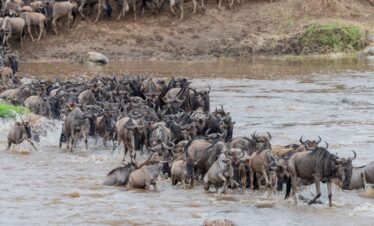
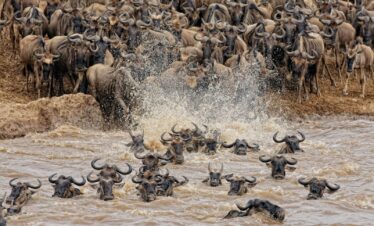
From July to October, the migration reaches the northern Serengeti, where river crossings may occur depending on conditions. This period is often associated with dramatic scenes, but patience and flexibility are essential as crossings cannot be predicted or guaranteed.

From November to December, herds begin moving south again as short rains return to the southern plains, continuing the cycle.

Each phase offers a different experience, and the best time to travel depends on what you wish to witness.

How Great Migration Safaris Are Planned

Planning a Great Migration safari requires experience and adaptability. Unlike general safaris, migration focused journeys must account for changing conditions, seasonal access, and accommodation positioning.

At Wild Riders Expeditions, migration safaris are planned using current knowledge of wildlife movement, historical patterns, and logistical realities. Routing is designed to minimize unnecessary travel while maximizing time spent in active areas.

Flexibility is built into the itinerary, allowing guides to adjust daily plans based on wildlife behavior rather than fixed schedules. This approach ensures that the safari feels responsive rather than rigid.

Where You Stay During A Migration Safari

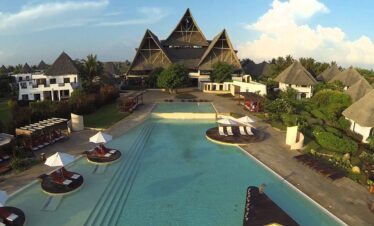
Accommodation plays a critical role in migration safaris. Being positioned close to active wildlife areas reduces travel time and increases the quality of daily game drives.

Depending on the season, this may include mobile camps that move with the migration or permanent lodges located along known migration corridors. The choice is guided by access, timing, and comfort rather than category alone.

Our accommodation recommendations are made to support the flow of the safari, ensuring that location enhances the experience rather than limiting it.

Who Great Migration Safaris Are Best Suited For

Great Migration safaris are ideal for travellers with a strong interest in wildlife behavior and natural systems. They are well suited for first time safari travellers with specific goals, photographers seeking seasonal moments, and repeat visitors looking to experience the Serengeti in a focused way.

They are also suitable for travelers who value patience and realism, understanding that nature does not operate on schedules. Guests seeking guaranteed spectacles may be better suited to general wildlife safaris.

Frequently Asked Questions About The Great Migration
No. River crossings are unpredictable and depend on wildlife behavior and conditions. A migration safari increases the chance of witnessing crossings but does not guarantee them.

Yes. The migration is continuous, but its location and behavior change throughout the year. Different seasons offer different experiences.

Migration safaris should be booked well in advance, particularly during peak seasons, as accommodation in key areas is limited.

Migration safaris can be suitable for families with older children when planned carefully. We provide guidance based on travel dates and family needs.

Yes. River crossings are only one phase of the migration and cannot be guaranteed. The migration is a year round movement that includes calving season, large scale herd movement, and predator activity across the Serengeti ecosystem. Many travellers find these phases just as rewarding as river crossings, depending on timing and location.

We work with a carefully selected range of accommodations, including lodges, tented camps, and safari camps. Accommodation choices are guided by location, comfort level, and how well they support the overall flow of the itinerary. Options are tailored to your travel style and expectations.

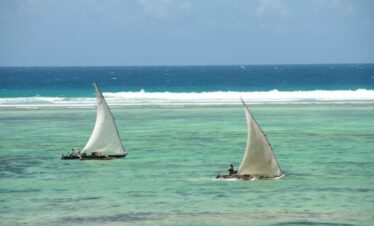
Yes. Many travellers choose to combine a safari with a beach stay in Zanzibar. Safari and Zanzibar combinations are ideal for balancing wildlife exploration with time to relax along the coast. These combinations can be adjusted based on available time and travel preferences.

Safari tours generally include a private safari vehicle, a professional driver-guide, park entrance fees, accommodation, meals as specified in the itinerary, airport transfers, and scheduled game drives. Each itinerary clearly outlines what is included and any items not covered.

Most travellers require a visa to enter Tanzania, which can be obtained online or on arrival depending on nationality. Vaccination requirements vary by country of origin. We recommend consulting your local travel clinic and official government travel advisories well in advance of your trip.

Tanzania is a long-established safari destination with a strong tourism infrastructure. When traveling with experienced operators and professional guides, safaris are generally safe and well managed. Planning, local knowledge, and clear communication all play an important role in ensuring a smooth experience.

We recommend booking as early as possible, especially during peak travel periods and migration seasons. Early planning provides better accommodation availability and greater flexibility when designing your itinerary.

Start Planning Your Great Migration Safari

A successful Great Migration safari begins with understanding timing, movement, and expectations. Whether you already have travel dates or are still exploring options, our team is here to guide you through the planning process with clarity and experience.

Share your travel timeframe, group size, and interests, and we will help you design a migration safari that is realistic, well-paced, and deeply rewarding.