



Most travelers imagine a Tanzania safari as a slow, immersive journey through some of Africa’s most iconic wildlife landscapes — from the endless plains of the Serengeti National Park to the breathtaking beauty of the Ngorongoro Crater. But while many safari itineraries look impressive on paper, the actual experience can sometimes feel rushed, exhausting, and overly focused on moving between destinations rather than truly experiencing them. The difference often comes down to one critical factor: safari design. A well-planned Tanzania safari is not simply about visiting more parks — it is about balancing time, distance, wildlife immersion, and overall travel flow to create a more meaningful and unforgettable journey.
Most travelers imagine a Serengeti safari as slow, immersive, and deeply connected to nature.
Open plains, unhurried wildlife encounters, and time to truly take it all in.
But for many, the reality feels very different.
Early departures. Long drives. Short wildlife stops. Constant movement from one place to the next.
And instead of feeling fulfilled, the experience feels… rushed.
So what actually causes this?
The Truth: A Rushed Safari Is Not About Time, It’s About Design
A safari doesn’t feel rushed because it’s short.
It feels rushed because it wasn’t designed with the right flow.
This is one of the biggest differences between a well-crafted private safari and a standard itinerary built only to connect destinations.
Good safari design is not about how much you include it’s about how well everything connects.
- Too Many Destinations, Too Little Time
One of the most common mistakes in Tanzania safari planning is trying to fit too much into too few days.
Itineraries often include:
- Tarangire
- Ngorongoro Crater
- Serengeti
- Lake Manyara
…all within a very limited timeframe.
On paper, it looks impressive.
In reality, it creates:
- Long hours on the road
- Limited time for meaningful wildlife viewing
- Frequent packing and moving
Instead of experiencing each destination, you’re simply passing through it.
A well-paced safari allows you to slow down and fully engage with each location.
The fix:
Spend more time in fewer places. The Serengeti alone deserves proper time to breathe.
If you’re unsure how many days you actually need, our detailed guide on How Much Does a Tanzania Safari Cost (2026 Guide) breaks down realistic safari durations alongside pricing expectations.
2. Distances Are Often Underestimated
Travel in Tanzania is not measured the same way as in cities.
Roads are unpaved, wildlife sightings naturally interrupt journeys, and game drives are never direct point-to-point transfers.
What may appear as a short distance can take significantly longer in real conditions.
And when time is not properly accounted for, the result is predictable:
More time spent getting somewhere than actually enjoying it.
This is where thoughtful route planning makes all the difference.
The fix:
Design routes based on real travel flow, not Google Maps distances.
3. Not Enough Time in Serengeti
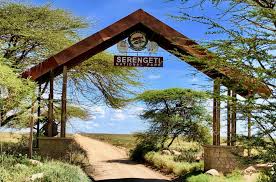
The Serengeti is not a destination you simply visit—it’s a place you experience over time.
Wildlife does not operate on a fixed schedule.
A hunt can unfold slowly.
A crossing can happen without warning.
A quiet moment can suddenly turn extraordinary.
When an itinerary allows only a brief stay, everything depends on luck.
With more time, the experience becomes:
- More flexible
- More natural
- Far more rewarding
Spending at least a few nights in the Serengeti transforms the entire journey from rushed to immersive.
The fix:
A minimum of 2–3 nights in the Serengeti allows the following:
- Flexible game drives
- Deeper exploration
- Higher chance of unforgettable moments
You can explore well-paced journeys in our Tanzania Safari Itineraries, where each route is designed to balance time, distance, and experience.
4. Fixed Schedules Instead of Flexible Game Drives
Many safaris operate on rigid timing:
- Breakfast at a fixed hour
- Game drive at a fixed duration
- Return regardless of sightings
But wildlife doesn’t work like that.
Imagine leaving a sighting just when something is about to happen…
because the schedule says it’s time to go.
The fix:
A well-designed private safari gives you:
- Flexibility to stay longer at sightings
- Adjusted timing based on wildlife movement
- A more natural rhythm to the day
5. Choosing Price Over Experience (Without Understanding Trade-Offs)
This is where many travelers unknowingly compromise.
Lower-cost itineraries often mean the following:
- Shared vehicles
- Tight schedules
- High park turnover
- Limited flexibility
And while they may look similar on paper…
The experience is completely different.
The fix:
Understand what you’re trading:
- Not just accommodation level
- But time, pace, and overall experience
Understanding the difference between budget, mid-range, and luxury safaris is key. Here’s a clear breakdown in our Tanzania Safari Cost Guide.
So, What Does a Well-Paced Serengeti Safari Feel Like?
A well-designed safari feels:
- Unhurried – You’re not watching the clock
- Immersive – You stay with moments, not rush past them
- Natural – The day flows with wildlife, not against it
Example of a Well-Paced Serengeti Safari Itinerary
A well-designed Serengeti safari itinerary is not about covering the most destinations—it’s about creating a natural travel flow.
A balanced 7–8 day safari could look like this:
- Day 1: Arrival in Arusha
- Day 2: Tarangire National Park
- Day 3–6: Serengeti National Park (central or migration area)
- Day 7: Return via Ngorongoro
- Day 8: Ngorongoro Crater then Departure
This structure allows:
- Enough time in the Serengeti
- Reduced long-distance fatigue
- Flexible wildlife viewing
You wake up excited, not exhausted. You return fulfilled, not feeling like you missed something.
How We Approach This at Wild Riders Expeditions
At Wild Riders, we design safaris differently.
Not based on:
- Maximum parks
- Tight schedules
- Generic templates
But based on:
- Real travel flow
- Proper time allocation
- Flexible, private experiences
Because the goal is not just to see the Serengeti. It’s to feel it, understand it, and remember it for life.
If you’re planning your safari and want to avoid these common mistakes, explore our Tanzania Safari & Zanzibar journeys or speak with our team to design a safari that flows naturally from start to finish.
Frequently Asked Questions About Serengeti Safaris
How many days are enough for a Serengeti safari?
To truly experience the Serengeti without feeling permanently aware of the clock, a minimum of 2 to 3 nights inside the park boundaries is highly recommended. This allocation ensures you have at least two full, uninterrupted days of flexible game driving to track elusive predators and follow the seasonal movements of the Great Migration without exhausting highway transits.
Why do some safaris feel rushed?
Safaris feel rushed primarily due to poor itinerary design that prioritizes quantity over quality. Packing too many distant national parks (like Tarangire, Manyara, Ngorongoro, and the Serengeti) into a short 4 or 5-day timeframe forces travelers to spend 6 to 8 hours a day navigating unpaved, bumpy roads, sacrificing active wildlife viewing for exhausting transit blocks.
Is the Serengeti enough on its own?
Yes, the Serengeti’s vast ecosystem is diverse enough to sustain an incredible standalone itinerary. However, for a complete and visually stunning northern circuit experience, combining a multi-night stay in the Serengeti with the unique volcanic landscape of the Ngorongoro Crater and the elephant-rich woodlands of Tarangire National Park creates the ultimate travel flow.
What is the best way to plan a Tanzania safari?
The most elegant way to plan a safari is to design it around real geographical flow rather than map distances. Focus on spending more nights in fewer locations, opt for a private 4×4 vehicle to maintain control over your daily pacing, and build in flexible game-drive windows so your day follows the natural rhythm of the wildlife rather than a rigid lodge timetable.
Why shouldn’t I rely on Google Maps for Tanzania driving times?
Google Maps calculates driving times based on ideal, paved highway conditions. In reality, the roads leading into and within Tanzania’s national parks are rough, corrugated gravel tracks where average speeds drop significantly. Furthermore, unexpected wildlife encounters naturally interrupt journeys, turning a theoretical 3-hour map drive into a 5 or 6-hour wilderness transit.
What is the downside of a cheap or shared group safari itinerary?
Lower-cost group safaris compromise on the luxury of time and flexibility. In a shared vehicle, the itinerary operates on a rigid schedule to accommodate 6 to 8 different travelers’ preferences. You are often forced to leave incredible wildlife sightings prematurely because the fixed schedule demands returning for camp meal windows or rushing to a distant high-turnover camp.
How does lodge location impact the pacing of a Serengeti safari?
A common design flaw is booking a lodge based on price or amenities without checking its location relative to seasonal wildlife movements. If your camp is located hours away from the core migration corridors or predator hotspots, you will waste prime dawn and dusk tracking hours merely driving back and forth to reach the active wildlife zones.
Can a fly-out option prevent safari itinerary fatigue?
Absolutely. Utilizing a regional bush flight to conclude your safari is one of the most effective ways to optimize an itinerary. By flying directly out of a Serengeti airstrip back to Arusha or onward to Zanzibar, you completely eliminate an exhausting, 8-hour return drive over corrugated roads, allowing you to maximize your final morning with a pristine dawn game drive.